
One of the most common questions among international students is:
Can F-1 students work in the United States?
The short answer is: it depends — and understanding the rules is essential for making safe and informed decisions about your academic and professional future.
General Rules for F-1 Student Employment
In most cases, F-1 students are not allowed to work off-campus without authorization. U.S. immigration regulations are strict, and violations can have serious consequences.
There are limited and well-defined exceptions, including:
- On-campus employment at the school or institution where the student is enrolled (under specific conditions)
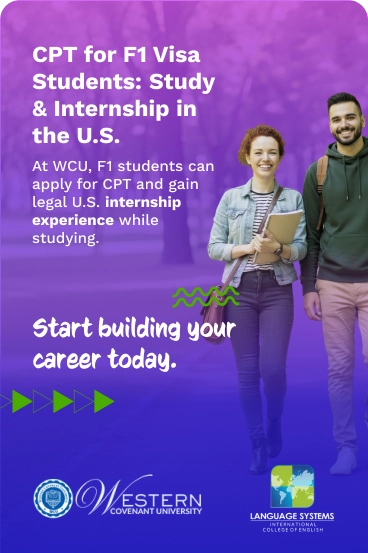
- Authorized training programs such as CPT (Curricular Practical Training) and OPT (Optional Practical Training), when applicable
Each option has specific eligibility requirements, timelines, and limitations, and students must always obtain proper authorization before beginning any work activity.
Why Unauthorized Work Is Risky
Working without authorization can result in the loss of F-1 student status, which may affect:
- Current English or academic studies
- Future visa or immigration applications
- Long-term educational and professional plans in the United States
For this reason, international students should never accept employment without first understanding the rules and seeking guidance from their school or authorized advisors.
The Typical Student Journey: From English to Career Opportunities
At Language Systems International (LSI), we see a very common and successful path among international students.
Most students begin their journey by focusing on what truly opens doors in the U.S.: English proficiency.
Step 1: ESL – English as a Second Language
Students typically begin with ESL programs to build a strong foundation in grammar, reading, writing, listening, and speaking. This stage is essential for daily communication and academic success.
Step 2: Conversation Classes
After completing ESL levels, many students move into Conversation classes to gain confidence, fluency, and natural communication skills. This is often the moment when students feel more comfortable expressing ideas, participating in discussions, and networking.
Step 3: Business English
Many international students already have professional experience in their home countries. At this stage, they often choose Business English, focusing on:
- Professional communication
- Workplace vocabulary
- Presentations and meetings
- Career advancement and higher earning potential
This step helps students align their English skills with real-world professional goals.
TOEFL, Duolingo, and University Admission Flexibility

LSI also offers TOEFL classes. The TOEFL remains one of the most important English proficiency exams for international students seeking admission to higher education in the United States. However, many U.S. colleges and universities now also accept alternative exams, making the admission process more flexible.
One alternative is the Duolingo English Test. Today, Duolingo is more than a language-learning app — it offers a secure, widely accepted English proficiency test recognized by many accredited institutions in the U.S.
From English School to University Pathways
Living and studying in the United States often inspires students to aim even higher. Surrounded by world-class universities and academic opportunities, many students decide to continue their education.
At LSI, students may pursue:
- College transfer programs for those who do not yet have a bachelor’s degree
- University transfer options for students seeking a bachelor’s, master’s, or even a PhD
At Language Systems International, student support continues even after English studies are completed. LSI has partnerships with U.S. colleges and universities and assists students throughout the transfer process to higher education, helping ensure a smooth transition into academic programs.
When students enter colleges or universities, they gain access to structured academic pathways, where programs such as CPT and OPT become more relevant.
Understanding CPT, OPT, and the H Visa Path
When students reach the university level, they are better positioned to understand and qualify for CPT and OPT, which allow eligible students to gain practical experience related to their field of study.
These opportunities allow students to:
- Apply academic knowledge in real work environments
- Demonstrate professional skills to U.S. employers
- Build experience in their chosen field
In many cases, employers who work with students during OPT later choose to sponsor them under other employment-based visas, such as the H-1B, which allows U.S. companies to hire foreign nationals in specialty occupations.
While there are multiple immigration pathways, and each case is unique, this is a common and realistic progression among many international students who begin with English-language studies and continue to advance academically and professionally.
A Trusted and Responsible Approach
At Language Systems International, students receive clear information about their responsibilities and options at every stage of their journey. This responsible approach reinforces LSI’s role as a trusted, experienced, and compliant English school in California.
Our goal is not only to teach English but to help students build a strong foundation that supports their academic growth and long-term success.
Let’s start your journey in the USA today. Apply now!