

Missing home is one of the most common feelings among students who decide to study abroad. New routines, a different language, unfamiliar food, and distance from family can make even the most exciting journey feel overwhelming at times.
If you are an international student in the United States, know this first: what you are feeling is normal, temporary, and manageable. With the right mindset and daily habits, missing home can become a powerful catalyst for personal growth.
Why do international students feel missing home so strongly?
Missing home usually shows up when everything around you is new. Your brain is adapting to a different culture, language, and social rhythm simultaneously. For international students in the USA universities, this feeling often increases during the first months.
Your support system is far away, and your comfort zone no longer exists in the same way. Understanding this emotional process is the first step to dealing with it in a healthy way.
International students missing home is more common than you think
Many universities that international students attend have entire departments focused on wellbeing. That is because homesickness affects thousands of students every year, regardless of age or country.
You are not weak for feeling this way. You are human, adapting to a major life transition. Talking openly about missing home helps reduce its intensity and removes unnecessary guilt.
How to overcome homesickness abroad with practical strategies
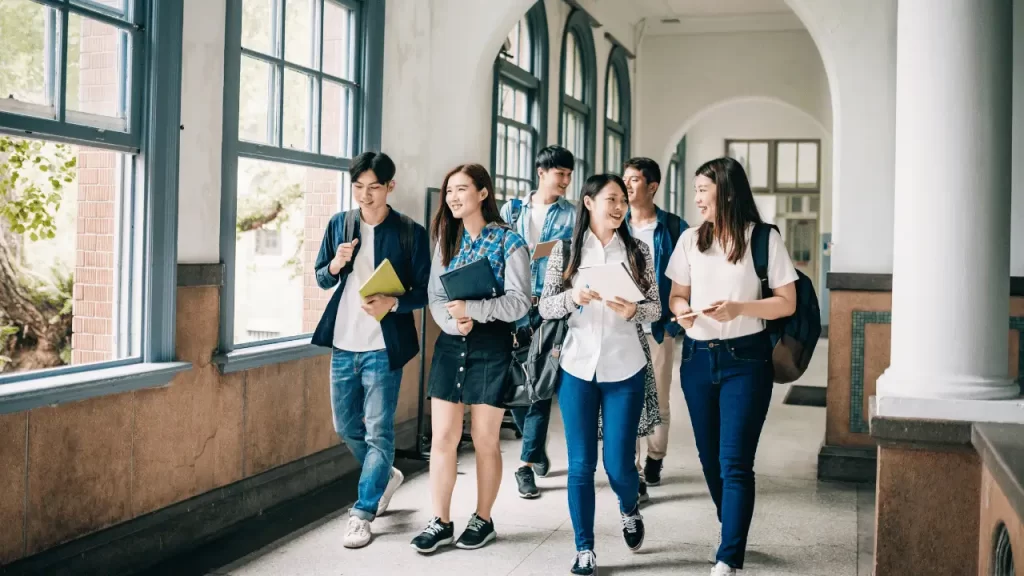
Below are nine realistic and effective tips designed especially for international students.
They focus on emotional balance, cultural adaptation, and building confidence while living in the US.
1. Create a routine that feels familiar
Routine provides emotional safety by reducing decision fatigue. When everything around you feels new, familiar habits ground your mind.
Start with small, meaningful actions. Drinking the same tea in the morning, stretching, listening to music from home, or journaling before bed helps your brain relax.
Familiar structure reduces anxiety and emotional overload. Over time, your routine becomes a source of emotional stability in a new country.
2. Stay connected but set healthy limits
Staying in touch with family and friends gives comfort. Hearing familiar voices reminds you that you are supported.
However, talking every hour can make adaptation harder. Your emotions remain anchored to home rather than to your new reality.
Choose specific times to call or message. This balance allows you to feel supported without blocking adaptation.
3. Build connections with other international students in the USA
Other international students share similar fears, doubts, and excitement. They understand missing home without needing long explanations.
Friendships form faster when experiences are shared. Orientation programs, cultural clubs, and language exchanges are great starting points.
Belonging reduces loneliness more than anything else. Even one strong connection can change your entire experience abroad.
4. Explore your new city intentionally
Your surroundings influence how you feel emotionally. Staying only in your room can increase isolation and sadness.
Walk around your neighborhood, visit parks, cafés, or libraries. Choose places you can return to often and feel comfortable in.
When a place feels familiar, it feels safer. The city slowly becomes part of your story.
5. Accept cultural differences without judgment
Culture shock is one of the biggest triggers of missing home. Classroom behavior, humor, or social norms may feel strange at first.
Instead of judging or comparing, observe with curiosity. Ask questions, listen, and allow yourself time to adjust.
Adaptation happens faster when you stop resisting differences. Acceptance creates emotional flexibility and confidence.
6. Focus on why you chose to study abroad
When emotions feel heavy, purpose brings clarity. That is why remembering your reasons matters.
Write down your goals and motivations. Career growth, language improvement, independence, or life experience all count.
Read this list during difficult days. Purpose gives meaning to discomfort and keeps you moving forward.
7. Take care of your body to support your mind
Your body and emotions are deeply connected. Lack of sleep or poor nutrition increases sadness and anxiety.
Try to eat regularly, stay hydrated, and move your body. Even short walks or light exercise help regulate emotions.
Treat your body with respect. Physical balance supports emotional resilience during adaptation.
8. Ask for help when emotions feel heavy
Many universities that international students attend offer emotional support services. Counseling is common, confidential, and designed to help.
Talking to someone helps organize thoughts and feelings. You gain tools to cope, rather than carrying everything alone.
You do not need to handle everything alone. Asking for help is a sign of self awareness, not weakness.
9. Improve your English to feel more confident
Language barriers often increase isolation. Fear of making mistakes can stop you from socializing or participating.
The more you practice, the more confident you become. Confidence grows through use, not perfection.
Participating in class, making friends, and handling daily tasks become easier. Language confidence transforms your entire experience abroad.
Missing home while studying in the US is a phase, not a failure
Missing home does not mean you made the wrong decision. It means you are growing, adapting, and learning in real time.
Most international students look back and realize this phase shaped their confidence. What feels hard now often becomes your strongest memory later.
How Language Systems supports international students beyond the classroom?
At Language Systems, learning English goes beyond grammar and vocabulary. The environment is designed to help international students feel welcomed, supported, and confident.
Classes, cultural interaction, and community connections help students integrate faster. Feeling comfortable socially naturally accelerates language learning.
Also, if you are experiencing emotional difficulties or going through a challenging moment, please remember that you are not alone. At Language Systems International, we care about your well-being as much as your academic success.
Students are encouraged to seek guidance and support from their campus director, as well as from our staff members and program coordinators, who are always available to listen and help. Reaching out is an important step, and our team is here to support you throughout your journey.
Final thoughts for international students missing home
Missing home is part of the study abroad journey, not a sign that something is wrong. With patience, support, and the right environment, this feeling gradually transforms into independence and confidence.
If you are planning to study English in the United States or want a more supportive experience as an international student, take the next step. Learn how to apply and start your journey!